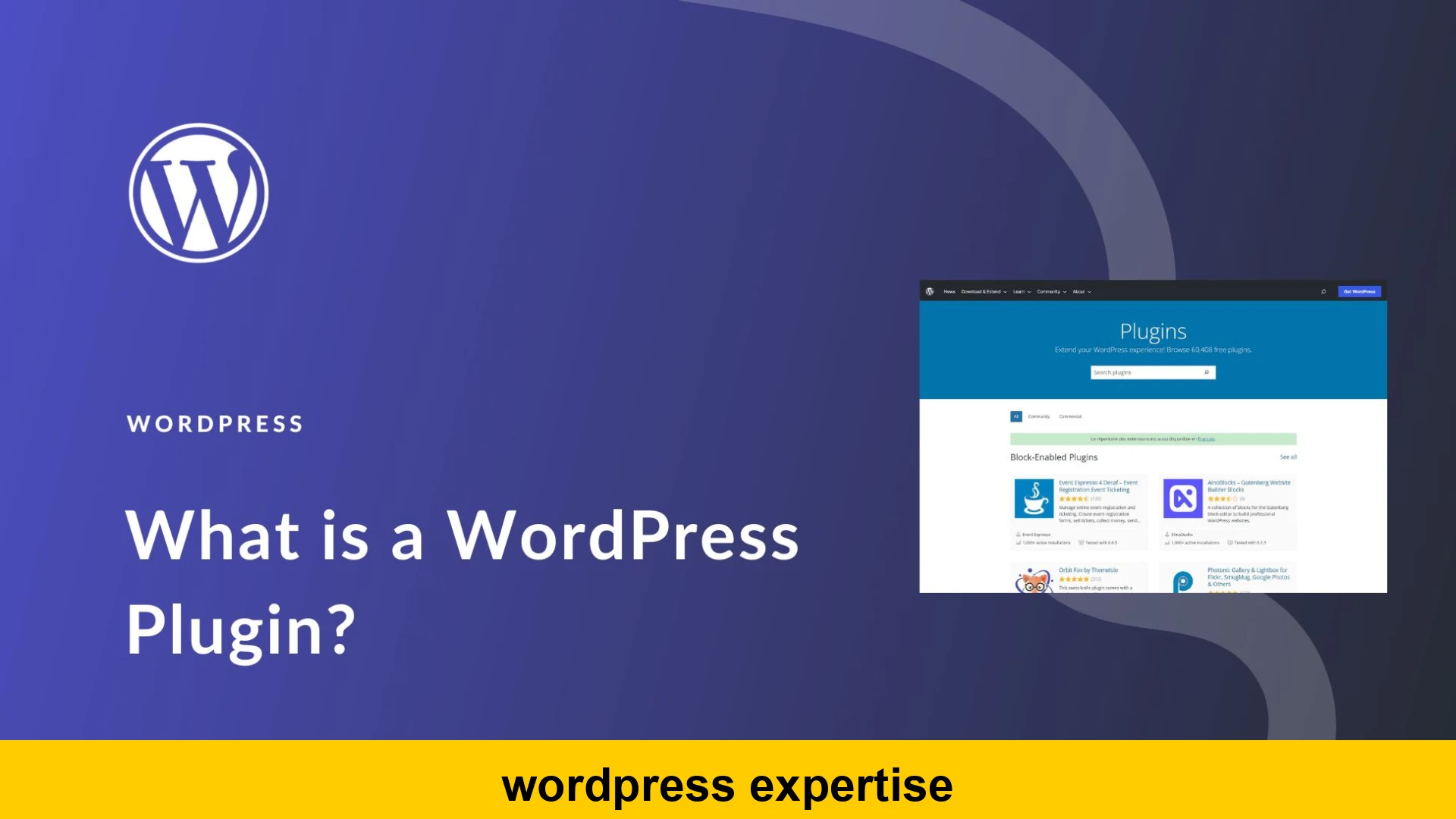
In the vast digital landscape, where billions of websites compete for attention, having a robust online presence is no longer a luxury but a necessity. At the heart of countless successful websites lies WordPress, a content management system (CMS) that powers over 40% of the internet. But merely using WordPress isn’t enough; true success often hinges on achieving genuine wordpress expertise. This comprehensive guide will take you on a journey to understand what true WordPress proficiency entails, why it’s invaluable, and how you can cultivate the skills to become a highly sought-after WordPress specialist.
Whether you’re a budding developer, a seasoned designer, a content creator, or a business owner looking to optimize your online footprint, building wordpress skills is a worthwhile endeavor. It’s about more than just clicking buttons; it’s about understanding the underlying architecture, best practices, and the strategic application of its myriad features to create efficient, secure, and user-friendly digital experiences. From mastering core functionalities to delving into advanced development techniques, our aim is to illuminate the path to gaining comprehensive wordpress expertise.
Understanding the Foundations of WordPress Expertise
Before one can truly master WordPress, a solid understanding of its core components and how they interact is essential. This foundational knowledge is the bedrock upon which all advanced wordpress skill development is built.
The WordPress Core: Files and Database
At its heart, WordPress is a collection of PHP files and a MySQL database. The files manage the logic, display, and user interface, while the database stores all your content, settings, and user information. Achieving wordpress expertise begins with understanding this relationship:
- WordPress Files: Familiarize yourself with key directories like
wp-admin(dashboard),wp-includes(core functions), andwp-content(themes, plugins, uploads). - Database Structure: Grasping how tables like
wp_posts,wp_users, andwp_optionsstore data is crucial for troubleshooting and advanced customization.
Navigating the WordPress Dashboard
The dashboard is your command center. Expert users don’t just know where things are; they understand why settings exist and how they impact the site. Key areas include:
- Posts vs. Pages: Differentiating between chronological blog content and static website content.
- Categories and Tags: Organizing content effectively for SEO and user navigation.
- Media Library: Efficiently managing images, videos, and documents, understanding file sizes and alt text importance.
- Comments: Moderation and spam prevention.
- Appearance (Themes, Customize, Widgets, Menus): Mastering site aesthetics and navigation.
- Plugins: Extending functionality safely and efficiently.
- Users: Managing roles and permissions securely.
- Tools and Settings: Configuring general, writing, reading, discussion, media, and permalink options.
The Role of Themes and Plugins
Themes dictate your site’s appearance, while plugins extend its functionality. A key aspect of gaining wordpress proficiency is knowing how to select, install, configure, and troubleshoot these essential components responsibly.
- Theme Selection: Prioritizing reputable, lightweight, and responsive themes.
- Plugin Best Practices: Avoiding excessive plugins, checking for compatibility, reviews, and regular updates.
- Customization: Understanding the difference between theme options, the Customizer, and direct code modifications.
Developing Technical WordPress Expertise
Moving beyond the basics, true wordpress expertise often involves a deeper dive into code and development principles. This is where you transition from a user to a creator, capable of tailoring WordPress to specific needs.
Mastering Child Themes
One of the most critical skills for any aspiring WordPress developer is the creation and utilization of child themes. This technique ensures that any modifications you make to a theme are not lost when the parent theme updates.
Why Child Themes are Essential:
- Safety: Prevents loss of customizations during parent theme updates.
- Maintainability: Keeps your custom code separate and organized.
- Best Practice: A hallmark of professional WordPress development.
Example: Creating a Basic Child Theme
To create a child theme, you simply create a new folder in wp-content/themes/ (e.g., mytheme-child) and add a style.css file and optionally a functions.php file.
/
Theme Name: My Theme Child
Theme URI: http://example.com/my-theme-child/
Description: My first child theme.
Author: Your Name
Author URI: http://example.com
Template: mytheme
Version: 1.0.0
Text Domain: mytheme-child
/
And in functions.php to enqueue the parent theme’s stylesheet:
<?php
add_action( 'wp_enqueue_scripts', 'mytheme_child_enqueue_styles' );
function mytheme_child_enqueue_styles() {
    wp_enqueue_style( 'parent-style', get_template_directory_uri() . '/style.css' );
}
?>
Custom Post Types (CPTs) and Taxonomies
WordPress isn’t just for blogs; it’s a flexible content management system. Mastering wordpress development includes understanding how to extend its content capabilities with CPTs and custom taxonomies (like categories or tags for your CPTs).
When to use CPTs: For content types that don’t fit into standard posts or pages, such as portfolios, testimonials, products, or events.
Example: Registering a Custom Post Type
You can add this to your child theme’s functions.php:
<?php
function register_my_book_cpt() {
    $labels = array(
        'name'          => _x( 'Books', 'Post Type General Name', 'textdomain' ),
        'singular_name' => _x( 'Book', 'Post Type Singular Name', 'textdomain' ),
        // ... many other labels for dashboard UI
    );
    $args = array(
        'label'               => _x( 'Book', 'Post Type Label', 'textdomain' ),
        'description'         => esc_html__( 'Post Type for Books', 'textdomain' ),
        'labels'              => $labels,
        'supports'            => array( 'title', 'editor', 'thumbnail', 'excerpt' ),
        'hierarchical'        => false,
        'public'              => true,
        'show_ui'             => true,
        'show_in_menu'        => true,
        'menu_position'       => 5,
        'show_in_admin_bar'   => true,
        'show_in_nav_menus'   => true,
        'can_export'          => true,
        'has_archive'         => true,
        'exclude_from_search' => false,
        'publicly_queryable'  => true,
        'capability_type'     => 'post',
        'show_in_rest'        => true, // Enable for Gutenberg/REST API
    );
    register_post_type( 'book', $args );
}
add_action( 'init', 'register_my_book_cpt' );
?>
Understanding WordPress Hooks (Actions and Filters)
Hooks are the backbone of WordPress extensibility. They allow developers to execute custom code at specific points in WordPress’s execution flow without modifying core files. This is a cornerstone of advanced wordpress professional growth.
- Actions: Used to add data or change how WordPress operates (e.g.,
wp_enqueue_scripts,init). - Filters: Used to modify data before WordPress saves or displays it (e.g.,
the_content,excerpt_length).
Example: Modifying Excerpt Length with a Filter
<?php
function custom_excerpt_length( $length ) {
    return 20; // Set excerpt length to 20 words
}
add_filter( 'excerpt_length', 'custom_excerpt_length', 999 );
?>
Introduction to the WordPress REST API
The REST API transformed WordPress into a powerful application framework, allowing it to communicate with external systems and build decoupled applications (headless WordPress). Understanding its capabilities is crucial for those aspiring to full-stack wordpress specialist skills.
Design and User Experience (UI/UX) Expertise
A truly expert WordPress professional understands that functionality must be paired with an exceptional user experience. This involves more than just aesthetics.
Responsive Design Principles
With diverse devices accessing websites, responsive design is non-negotiable. WordPress expertise means ensuring sites look and function flawlessly on desktops, tablets, and smartphones.
- Mobile-First Approach: Designing for small screens first, then progressively enhancing for larger ones.
- Fluid Grids and Flexible Images: Using CSS techniques to adapt layouts and media.
- Media Queries: Applying different styles based on screen size.
Accessibility Best Practices
Making your WordPress site accessible to everyone, including users with disabilities, is not just ethical but also improves SEO and user experience for all. This is a key component of responsible wordpress best practices.
- ARIA Attributes: Using them to enhance semantic meaning for assistive technologies.
- Keyboard Navigation: Ensuring all interactive elements are reachable via keyboard.
- Color Contrast: Meeting WCAG guidelines for readability.
- Alt Text for Images: Providing descriptive text for screen readers.
For more detailed guidelines on web accessibility, refer to the W3C Web Accessibility Initiative (WAI).
Leveraging Page Builders and Gutenberg
Modern WordPress development often involves page builders (Elementor, Beaver Builder, Divi) and the native Gutenberg block editor. While purists might prefer custom code, a pragmatic expert knows how to:
- Efficiently use page builders: For rapid development and client self-management.
- Extend Gutenberg: Create custom blocks or patterns to provide a powerful yet controlled editing experience.
- Balance custom code with builders: Knowing when to use each for optimal performance and flexibility.
Performance and Security Expertise
A slow or insecure website can undo all the hard work put into design and functionality. Advanced wordpress techniques must always prioritize performance and security.
Optimizing for Speed
Website speed is critical for user experience and SEO. Key strategies include:
- Caching: Implementing caching plugins (WP Super Cache, W3 Total Cache, LiteSpeed Cache) or server-side caching.
- Image Optimization: Compressing images, using next-gen formats (WebP), and lazy loading.
- Database Optimization: Regularly cleaning up post revisions, spam comments, and transient options.
- Minification and Concatenation: Reducing the size and number of CSS and JavaScript files.
- CDN Integration: Using a Content Delivery Network to serve static assets globally.
WordPress Security Hardening
Protecting a WordPress site from threats is paramount. A wordpress specialist knowledge includes implementing robust security measures.
- Strong Passwords and User Roles: Enforcing complex passwords and using the principle of least privilege.
- Regular Backups: Implementing automated backup solutions (plugins like UpdraftPlus, VaultPress).
- Security Plugins: Using tools like Wordfence, Sucuri, or iThemes Security for firewall, malware scanning, and login protection.
- SSL/HTTPS: Ensuring all traffic is encrypted.
- Limiting Login Attempts: Preventing brute-force attacks.
- Hiding Login URL: Changing the default
wp-adminlogin URL. - Updating Core, Themes, and Plugins: Staying current with security patches.
- Hardening
wp-config.phpand.htaccess:
Example: Disabling File Editing in wp-config.php
define( 'DISALLOW_FILE_EDIT', true );
Example: Protecting wp-config.php via .htaccess (placed in root)
<Files wp-config.php>
Order allow,deny
Deny from all
</Files>
For official security best practices, always consult the WordPress.org Security Documentation.
SEO and Digital Marketing Expertise
A technically sound and beautiful WordPress site won’t reach its potential if it’s not visible. This is where SEO (Search Engine Optimization) and digital marketing expertise come into play. This is a critical area for those asking how to demonstrate wordpress expertise to clients.
On-Page SEO Best Practices
- SEO Plugins: Configuring and utilizing plugins like Yoast SEO or Rank Math for meta titles, descriptions, and sitemaps.
- Keyword Research and Integration: Naturally incorporating primary, secondary, and long-tail keywords into content and headings.
- Content Structure: Using proper heading tags (H1, H2, H3) and internal linking.
- Image Optimization for SEO: Descriptive filenames and alt text.
- Schema Markup: Implementing structured data to enhance search engine visibility (e.g., for reviews, recipes, events).
Analytics and Tracking
Understanding user behavior is key to optimizing any website. Integrating and interpreting data from tools like Google Analytics and Google Search Console is a hallmark of comprehensive wordpress expertise. This helps in understanding what skills are needed for wordpress website expertise in terms of marketing.
Workflow and Project Management Expertise
Beyond technical skills, a true WordPress expert knows how to manage projects efficiently and collaborate effectively.
Local Development Environments
Developing directly on a live site is risky. Using local development tools like Local by Flywheel, XAMPP, MAMP, or Docker allows for safe experimentation and development.
Version Control with Git
For any serious development work, Git is indispensable. It allows developers to track changes, collaborate with others, and revert to previous versions if something goes wrong.
Staging and Deployment
Implementing a staging environment (a clone of your live site) for testing changes before pushing them live is crucial for maintaining site stability and avoiding downtime.
Client Communication and Project Delivery
Soft skills are as important as technical ones. Clearly communicating progress, managing expectations, and delivering projects on time and within budget are vital for any wordpress professional growth.
Continuous Learning and Community Engagement
The WordPress ecosystem is constantly evolving. To maintain and advance your wordpress expertise, continuous learning is non-negotiable.
Staying Updated with WordPress
- Follow the Official WordPress News: Keep an eye on new releases and updates.
- Read Industry Blogs: Smashing Magazine, WP Tavern, Kinsta, and similar sites offer valuable insights.
- Online Courses and Tutorials: Platforms like Udemy, Skillshare, LinkedIn Learning, and specialized WordPress academies offer structured learning paths.
Engaging with the WordPress Community
- WordCamps and Local Meetups: Network with other developers, designers, and users. Share knowledge and learn from others.
- WordPress Forums and Support Groups: Contribute to and learn from discussions.
- Contributing to Core: For advanced users, contributing to WordPress core, themes, or plugins is the ultimate expression of expertise.
This engagement is one of the best ways to improve your WordPress development skills and find resources for WordPress development expertise.
How to Become a WordPress Expert: A Roadmap
For those wondering how to become a wordpress expert, here’s a condensed roadmap covering the steps:
- Master the Basics: Understand the dashboard, posts, pages, themes, and plugins. Get comfortable with the user interface.
- Learn HTML & CSS: Essential for styling and understanding web structure.
- Dive into PHP & JavaScript: WordPress is built on PHP, and JavaScript is crucial for interactivity.
- Understand the WordPress Template Hierarchy: Learn how WordPress decides which template file to use for a specific page.
- Implement Child Themes: Practice creating and modifying themes safely.
- Work with Custom Post Types & Taxonomies: Extend WordPress content capabilities.
- Explore Hooks (Actions & Filters): Learn to customize WordPress without touching core files.
- Focus on Performance & Security: Implement caching, image optimization, and robust security measures.
- Grasp SEO Fundamentals: Make your sites discoverable.
- Utilize Development Tools: Local environments, Git, and staging sites.
- Stay Current & Engage: Continuous learning and community involvement.
Following these steps systematically will put you on a clear path to achieving and demonstrating significant wordpress expertise.
Conclusion
Achieving true wordpress expertise is a continuous journey, not a destination. It encompasses a broad spectrum of skills, from foundational understanding of the platform’s core mechanics to advanced development techniques, robust security practices, performance optimization, and keen awareness of user experience and SEO. It means not just knowing how to do something, but why it’s the best approach.
By investing in your wordpress skill development, you equip yourself with the tools to build, manage, and optimize websites that are not only functional and beautiful but also fast, secure, and highly effective. Whether you aim to build a career as a WordPress developer, enhance your business’s online presence, or simply deepen your technical understanding, the path to gaining wordpress proficiency is rewarding. Embrace the learning, engage with the vibrant WordPress community, and consistently apply wordpress best practices to solidify your position as a genuine WordPress specialist in the ever-evolving digital world.